
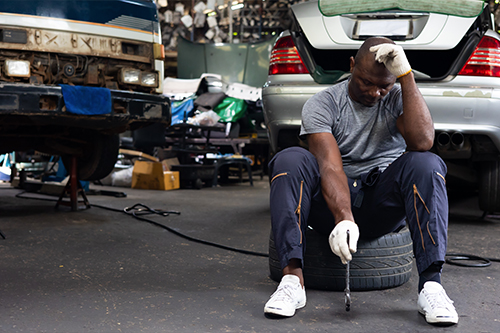
When customers see hourly labor rates at auto repair shops—often starting around $90 per hour in a city like Rochester, New York—it’s natural to assume mechanics are earning high wages. But the reality inside the industry looks very different. Despite seemingly high shop rates, many experienced technicians are leaving traditional repair shops, and an increasing number are shifting to part-time mobile work on Facebook Marketplace or similar platforms.
1. The Shop Rate Is Not the Mechanic’s Wage
The biggest misconception is that a $90/hr labor rate means the mechanic earns $90 per hour. In reality, the shop rate is the business’s revenue, not the mechanic’s pay. Out of that $90, the shop must cover:
-
Rent or mortgage for the building
-
Expensive insurance (garage liability, workers comp, etc.)
-
Diagnostic equipment and scan tools costing $5,000–$15,000
-
Lifts, air systems, specialty tools
-
Front-desk and administrative staff
-
Utilities, waste oil disposal, software subscriptions
Because of these overhead costs, the mechanic typically receives only a fraction of the shop rate.
2. Actual Pay Split in Rochester, NY
Across independent shops in Rochester, the typical revenue distribution looks like this:
-
Shop rate: ~$90/hr
-
Mechanic’s flat-rate or hourly share: $20–$30/hr
-
Shop profit/overhead allocation: ~$60–$70/hr
This means the mechanic receives roughly 25–35% of the labor customers pay for.
And because many shops use a flat-rate system—where technicians are paid per job, not per hour—actual take-home income can vary wildly depending on workload and job difficulty. A complex diagnostic procedure might take two hours but only pay one hour of flat-rate time, meaning the mechanic is effectively underpaid for skilled work.
3. High Skill, High Responsibility, But Low Stability
Modern vehicles require mechanics to understand:
-
Electrical systems
-
Network diagnostics (CAN bus)
-
Hybrid and EV components
-
Advanced driver-assistance systems
-
Programming and coding modules
Yet compensation often does not match the skill level or training required, especially when compared to trades like HVAC or plumbing, where wages have increased more dramatically.
4. Why Many Mechanics Turn to Mobile or Part-Time Work
Because traditional shops keep such a large portion of the shop rate, many technicians in Rochester have turned to:
-
Mobile mechanic work
-
Part-time repairs via Facebook Marketplace, Craigslist, or neighborhood groups
-
Working from home garages during evenings and weekends
By doing this, they can charge customers $40–$60/hr, which is lower than shop pricing but more money in their own pocket because they keep all of it.
This trend reflects a broader industry issue:
Customers pay more than ever, yet mechanics earn less than they should.
5. The Core Problem
The real problem is not that mechanics are overpaid—it’s that the traditional shop business model hasn’t adapted to:
-
Rising vehicle complexity
-
Increasing equipment costs
-
Customer expectations for lower prices
-
The need for better compensation to retain skilled labor
As a result, the industry faces a growing shortage of qualified technicians.
Leave a Reply